

In a continent where cash still dominates and formal credit remains elusive for millions, digital lending has emerged as one of the most transformative forces shaping Africa’s financial future.
Nowhere is this shift more visible than in Kenya, where fintech disruption, mobile infrastructure, and data science have converged to rewrite the rules of access to credit.
In markets once constrained by traditional banking protocols, new-age lenders are finding value where legacy systems saw only risk.
From street vendors in Gikomba to salon owners in Rongai, digital credit is reshaping not just how people borrow, but how they live, invest, survive, and scale.
“We are redefining what creditworthiness looks like,” said Shivani Siroya, Founder and CEO of Tala, one of Kenya’s most prolific mobile lenders.
“In many cases, the best indicators of trust are not salary slips or collateral, but patterns of behavior, how someone uses their phone, saves airtime, or pays their utility bills.”
Tala, along with platforms like Branch, Zenka, Pezesha, Jumo and M-KOPA, has pioneered alternative credit scoring models, using smartphone data, e-wallet transactions, SMS patterns, and even geolocation behavior to assess risk.
A user who consistently tops up their phone, repays M-Pesa loans, and pays bills on time may qualify for increasing loan limits, regardless of their employment status or physical address.
Kenya’s mobile lending boom was born out of necessity. Over 85 percent of the workforce operates in the informal sector, with no pay slips, bank statements, or formal credit history.
Traditional banks, constrained by legacy underwriting models, could not reach them at scale. Fintechs stepped into that gap, offering nano-loans, instant approvals, and digital disbursement via M-Pesa in minutes.
But with rapid growth came growing pains. A 2019 report by the Central Bank of Kenya (CBK) flagged rising over-indebtedness, lack of transparency and aggressive debt collection tactics.
In response, the CBK enacted the Digital Credit Providers Regulations, requiring licensing, enhanced consumer protection, and ethical debt recovery.
This regulatory clarity has ushered in a new era, where innovation is tempered with responsibility, and scale is anchored in sustainability.
Lenders like Pezesha are now building B2B lending ecosystems, where SMEs can access working capital based on supplier data and invoice flows.
M-KOPA, originally a solar pay-as-you-go platform, has evolved into a credit ecosystem offering smartphones, insurance, and microloans through asset financing.
Safaricom’s Fuliza and M-Shwari, meanwhile, remain the most embedded credit products in the region, leveraging the scale of M-Pesa and trust in the telco brand.
The most significant frontier, however, is not just access, but behavioral transformation.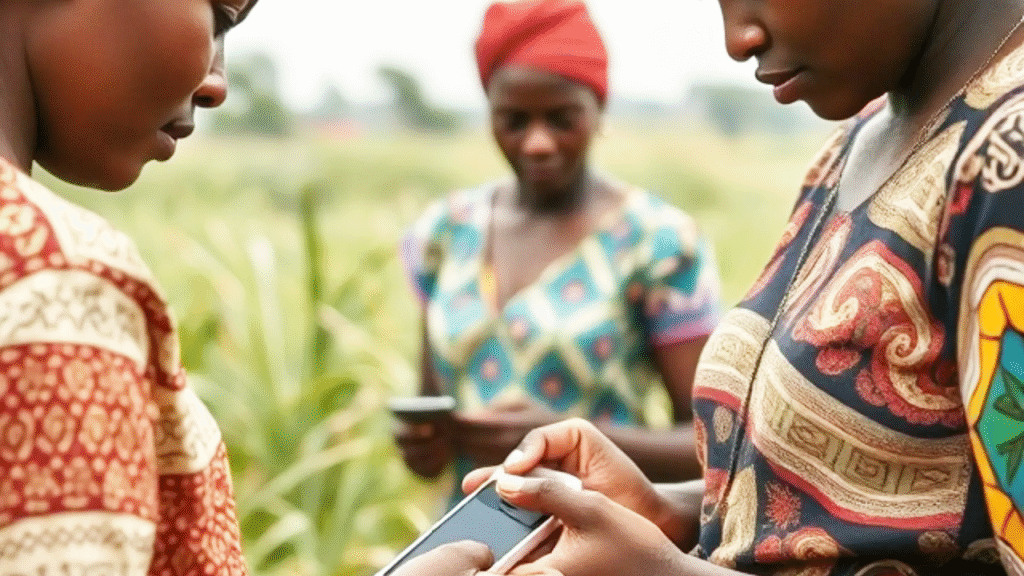
“Every repayment builds your digital reputation,” said Hilda Moraa, CEO of Pezesha. “We are not just giving loans. We are helping users graduate to formal finance—one transaction at a time.”
The ecosystem is also converging with credit bureaus, buy-now-pay-later models, and open banking APIs.
Platforms like CreditInfo, Metropol, and TransUnion are expanding beyond punitive blacklisting to offer positive credit histories, enabling low-income borrowers to migrate to formal financial services.
And then there is the silent revolution in credit education. Startups like 4G Capital and Jijenge Credit are bundling financial literacy with loans, nudging customers toward smarter borrowing.
Some apps prompt users with savings nudges or offer “repayment scorecards” that reward good behavior with fee discounts.
For banks, the learning curve is steep. Institutions like Equity Bank, KCB, and NCBA have embraced digital lending through proprietary apps and USSD-based platforms.
Equity’s EazzyLoan product, for instance, disbursed over KSh 100 billion in digital loans in 2024 alone, while KCB’s Vooma app continues to deepen mobile-first penetration.
Even SACCOs and microfinance institutions are joining the fray, modernizing their loan offerings with APIs, mobile access, and algorithmic credit scoring tools.
But the question remains: How do we ensure that financial inclusion does not become digital exploitation?
The answer lies in transparency, data ethics, consumer empowerment, and a commitment to building financial resilience, not just loan portfolios.
As Africa’s youth population rises, urbanization expands, and smartphones become ubiquitous, the credit rails of tomorrow will not be built in boardrooms, but in algorithms, ecosystems and the everyday lives of informal workers.
In this digital credit renaissance, trust is being redefined, not just between borrower and lender, but between technology and humanity.