
Octavia Carbon is turning geothermal power into Africa’s boldest climate tech innovation
In the volcanic plains of Naivasha, something futuristic is happening. Amid hissing plumes of geothermal steam, a group of Kenyan engineers is building machines that pull carbon dioxide straight from the sky.
The company behind this bold innovation is Octavia Carbon, a startup aiming to make Kenya the global frontier of climate technology.
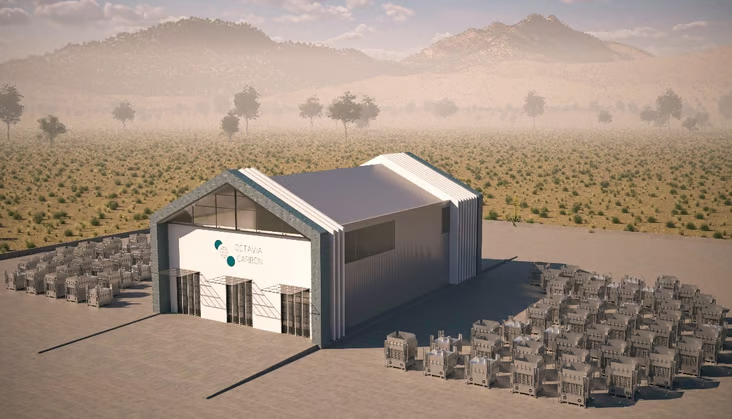
Founded in 2022, Octavia Carbon has evolved from a lab-scale experiment into Africa’s first direct air capture (DAC) company. Its machines use fans, filters, and chemical processes to extract CO₂ from ambient air.
What makes the project uniquely African is its power source: geothermal energy from Kenya’s Rift Valley.
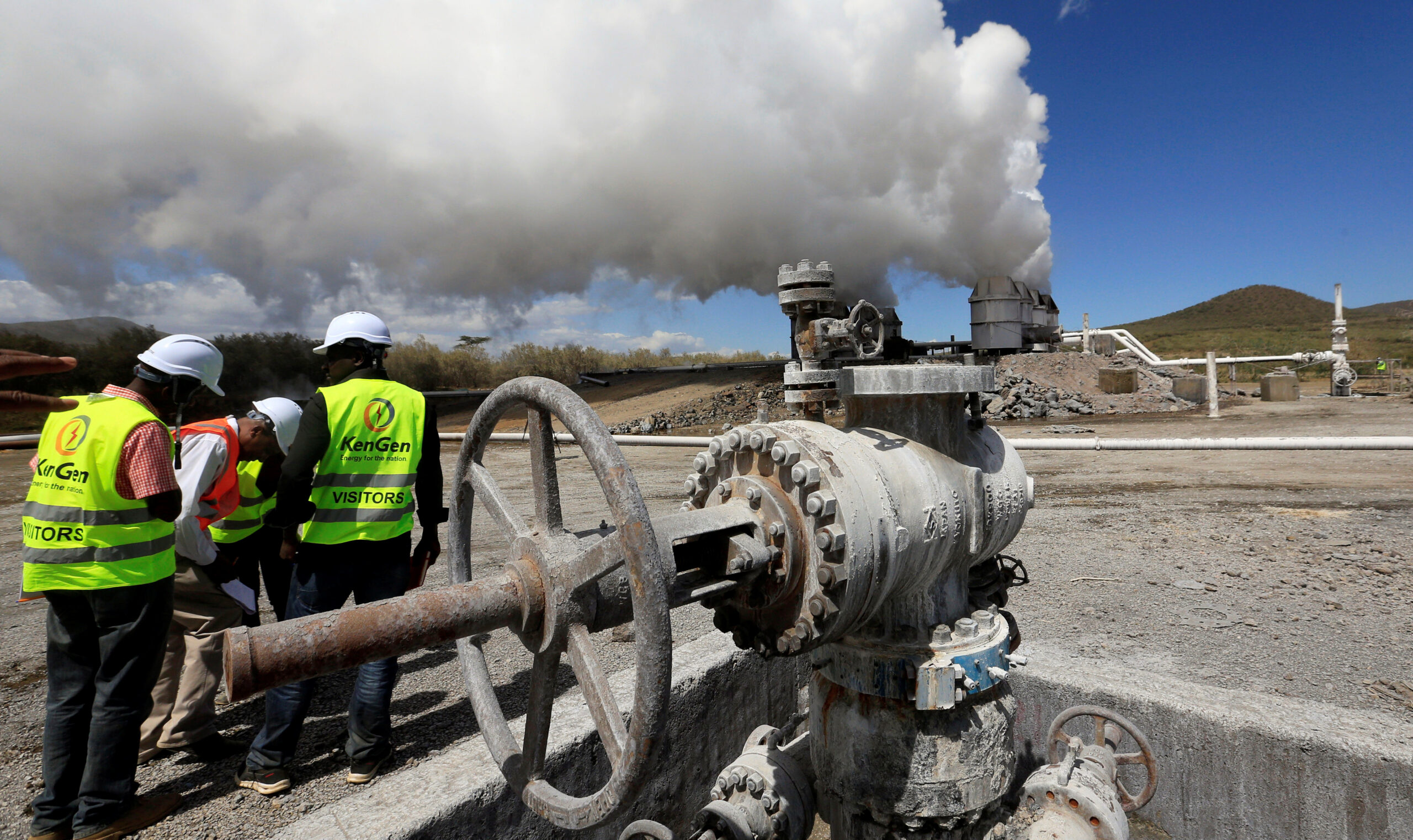
Clean, abundant, and cost-effective, this natural advantage gives Octavia a competitive edge in the rapidly growing global carbon markets.
The potential is massive. As pressure mounts on corporations to reduce emissions, demand for reliable carbon removal credits is rising.
Octavia’s approach meets international standards for permanence, traceability, and low emissions, which makes it attractive to major buyers looking for climate solutions that go beyond simple offsets.
CEO Ronald Osumba believes this is more than a business opportunity. “Africa doesn’t have to wait for solutions. We can lead.
This is proof that African innovation can shape the future of climate action,” he said in a recent public lecture in Nairobi.
Today, the company’s pilot plant removes several tons of CO₂ per year. But its sights are set higher.
With backing from international climate funds and support from Kenyan regulators, Octavia is designing a commercial-scale facility that will remove thousands of tons annually by 2027.
The impact extends beyond carbon. Local scientists and technicians are gaining hands-on experience in high-tech environmental engineering.
Investors from Europe and North America are visiting Kenya not just for safaris or conferences, but to fund infrastructure that could change the way the world tackles climate risk.
Partnerships with local universities are also underway, helping to build Africa’s future climate talent pipeline.
This is not just a startup story, it is a blueprint for how African nations can build industries of the future around their own natural and intellectual capital.
As climate urgency grows and the global search for permanent solutions intensifies, Kenya is emerging as more than a footnote in the climate story. It is becoming the laboratory, and possibly the launchpad, for how the world breathes easier.