

At the heart of Kampala’s bustling trade centers, a silent economic war has been raging, one that costs Uganda billions in lost revenue and undermines legitimate businesses across the country.
From counterfeit electronics and pharmaceuticals to smuggled textiles and alcohol, the reach of illicit trade has grown deeper and more sophisticated, threatening the very fabric of formal enterprise.
In recent years, Uganda has stepped up its efforts to confront the crisis head-on. The Uganda Revenue Authority (URA), in collaboration with other enforcement agencies, has adopted a multi-pronged approach involving surveillance, policy reforms, stakeholder partnerships and advanced technologies like digital tax stamps and tracking systems.
These efforts are part of a broader regional push across East Africa to tighten border controls, standardize taxation systems, and dismantle the networks fueling black-market operations.
According to URA estimates, Uganda loses over 2 trillion shillings annually to illicit trade, funds that could otherwise support public services, infrastructure, and education.
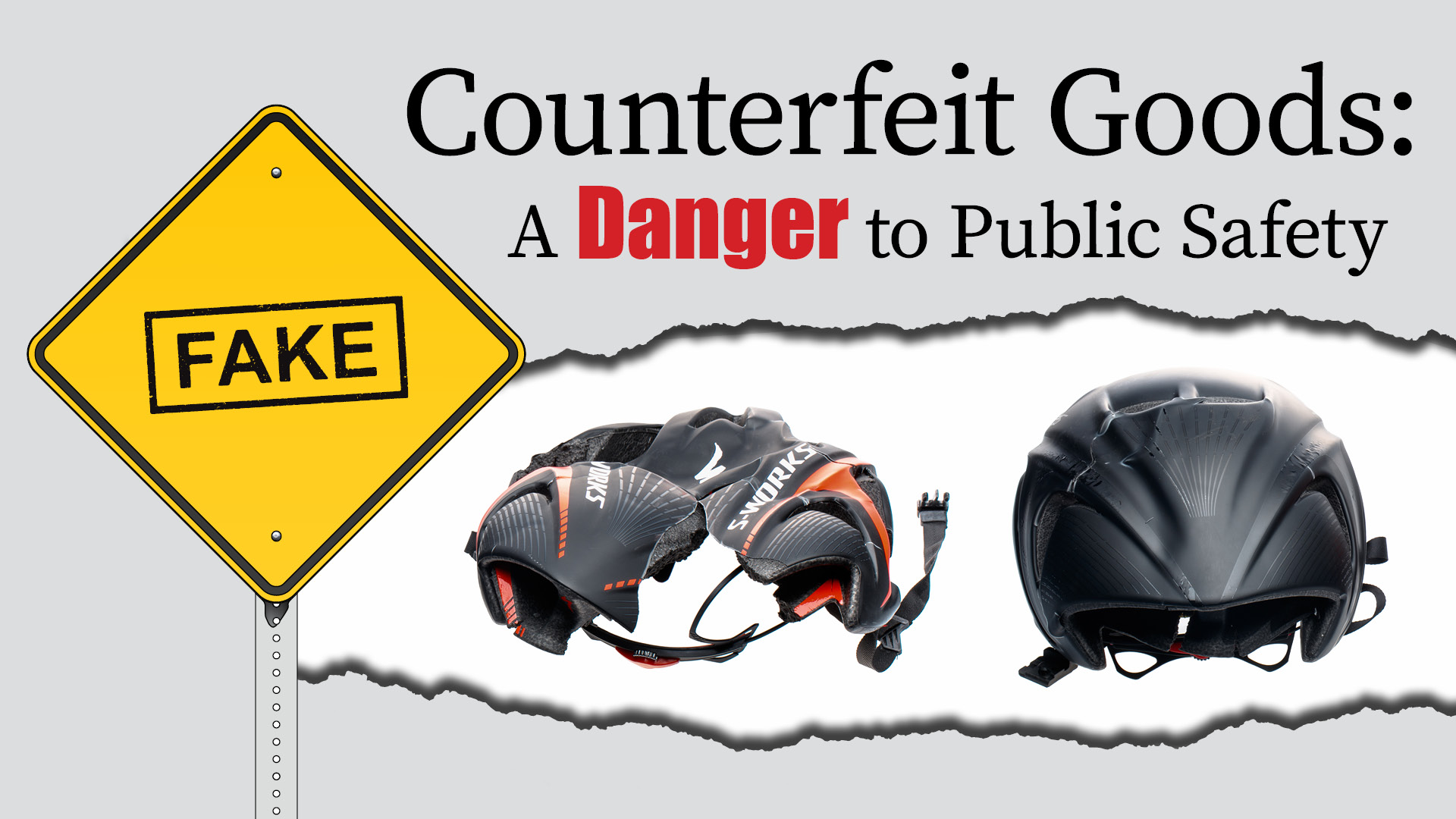 Local manufacturers, already grappling with high production costs, are finding it increasingly difficult to compete with cheaper, untaxed imports. The effects ripple across sectors, affecting employment, consumer safety, and investor confidence.
One of the most alarming aspects of the crisis is the infiltration of counterfeit medicine into the pharmaceutical supply chain.
In a market where public trust in healthcare systems is critical, the circulation of fake drugs poses both an ethical and public health emergency.
Authorities have intensified raids on unlicensed suppliers, and the National Drug Authority has issued tighter regulations and tracking tools to ensure drug authenticity.
Uganda’s efforts have not gone unnoticed. The country recently received commendation from the African Union and the United Nations Conference on Trade and Development (UNCTAD) for its commitment to tackling illicit trade, especially in high-risk categories such as tobacco and alcohol.
Private sector groups like the Uganda Manufacturers Association have also praised the government’s willingness to engage industry players in the formulation of policies that protect local businesses.
Despite this progress, challenges remain. Porous borders with neighboring countries like South Sudan and the Democratic Republic of Congo make enforcement a logistical nightmare. Corruption within enforcement agencies continues to undermine anti-smuggling operations, and public awareness around the dangers of illicit goods remains low, especially in rural areas.
Looking ahead, Uganda’s success will depend on building trust between regulators, business communities and the public.
It will also require regional cooperation, especially through platforms like the East African Community, to harmonize trade and tax policies while closing loopholes that smugglers exploit.
Uganda is not fighting this war in isolation, but its example shows that firm leadership, technology investment, and strategic alliances can make a difference.
The battle against illicit trade may be far from over, but Uganda has clearly drawn its battle lines and it is no longer backing down.