
Across the continent, the rules of engagement in global economics are being rewritten.
Deals are no longer whispered in backrooms or brokered through dependency; they are negotiated in boardrooms, along trade corridors, and on digital platforms powered by data, ambition, and strategic foresight.
Africa is no longer a passive prize in someone else’s geopolitical game. It has become an arena where the next phase of global economics is taking shape.
Africa’s diplomacy today is transactional, assertive, and increasingly strategic.
Where once development aid defined the terms of engagement, today trade balances, infrastructure value, industrial participation, and long-term sovereignty drive relationships with China, Europe, and emerging powers.
The old binaries of donor and recipient have given way to partnerships measured by production, policy, and power.
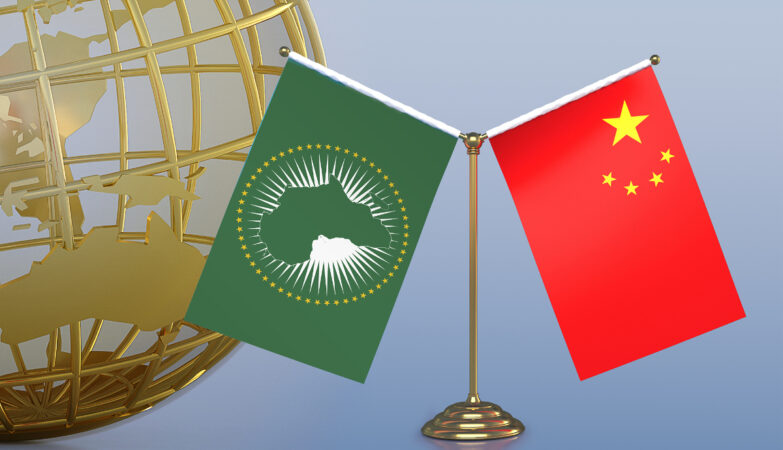
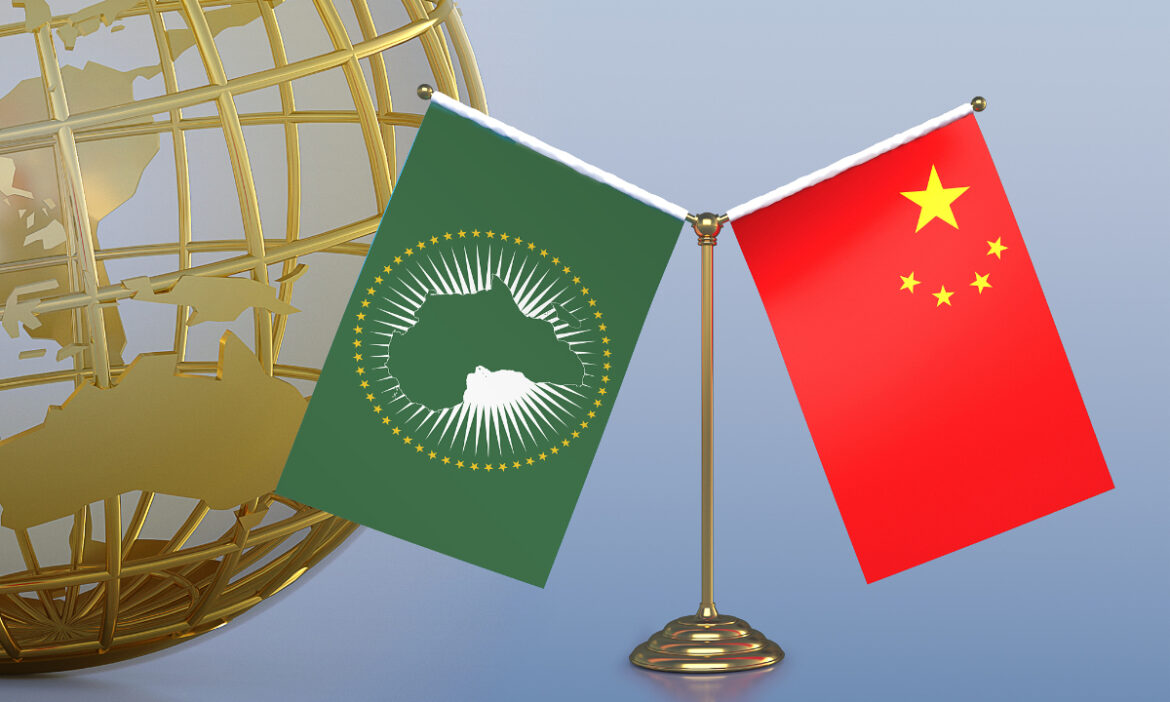
China remains Africa’s most visible partner in this recalibration. Through the Belt and Road Initiative, Beijing has financed over a thousand projects across the continent, spanning ports, railways, and energy systems, linking Africa’s interior economies to global supply chains. Yet, the narrative is shifting.
African policymakers are no longer content with debt-heavy infrastructure projects alone. They are demanding industrial participation, technology transfer, local employment, and ownership stakes in the ventures that shape their economies.
Chinese investment, once framed largely around resource extraction and infrastructure construction, is increasingly being redefined as a platform for co-creation.
Europe, historically Africa’s dominant economic partner, is also redefining its approach. The European Union’s Global Gateway initiative aims to counterbalance Chinese influence while supporting investments in sustainable energy, digital transformation, and governance partnerships. What distinguishes this era from the past is the agency Africa wields.
African leaders are setting the terms of engagement, ensuring that European investments align with continental priorities ranging from climate resilience to digital infrastructure.
Beyond China and Europe, Africa is actively diversifying its alliances. India, Turkey, the Gulf States, and even Latin American economies are entering Africa’s trade matrix, competing for access to markets, minerals, and emerging innovation ecosystems.
This competition, once a geopolitical tug-of-war, has become an economic accelerant, driving better deals, broader choices, and deeper integration for African states.
The impact of this diversification is particularly visible in energy and technology. Chinese firms are helping build solar power plants in Kenya and Ethiopia, while European investors fund green hydrogen projects and carbon-credit initiatives across Namibia and Morocco.
Gulf sovereign funds are backing fintech, logistics, and industrial startups in Nigeria and Egypt. At Africa’s negotiating table, the conversation is no longer limited to money and infrastructure it now revolves around data ownership, digital sovereignty, and industrial equity, the modern currencies of economic power.
This realignment is not without tension. China’s infrastructure-driven approach often collides with Western emphasis on governance, transparency, and regulatory compliance.
Meanwhile, African leaders face the delicate task of maximizing opportunities without falling into overdependence. Navigating this balance has become one of the continent’s defining diplomatic skills in the 21st century.
The African Continental Free Trade Area amplifies this strength. With a unified market of over 1.4 billion people, Africa can negotiate from a position of collective leverage rather than fragmented, country-by-country bargaining.
Through regional blocs and coordinated policy frameworks, the continent is increasingly setting its own agenda on manufacturing, digital regulation, and sustainable development.
This is not a passive response to global trends; it is a deliberate strategy to control the terms of engagement.
At the heart of this transformation is a newfound internal confidence. Young technocrats, entrepreneurs, and reform-minded leaders are viewing global partnerships through the lens of opportunity, not dependency.
African nations are aligning foreign deals with domestic ambitions, from local vaccine production to electric vehicle assembly, turning external engagement into a driver of self-sufficiency and economic transformation.
Africa’s place in the emerging world order is no longer marginal. It sits at the intersection of East and West, of technology and necessity, of innovation and resource potential.
The continent’s pivot from aid to agency represents a historic turning point—one that will shape global economics for decades to come.
The scramble for influence in Africa has not ended; it has evolved. And for the first time in modern history, Africa is writing the rules.