
At the close of the first quarter of 2025, the East African banking landscape unfolded with striking contrasts, an industry both resilient and evolving, buoyed by digital adoption, cross-border expansion, and cautious optimism amid rising credit risks.
From Nairobi to Kampala and Kigali, major banks have released results that signal cautious growth trajectories shaped by inflation moderation, currency recovery, and a still fluid lending environment.
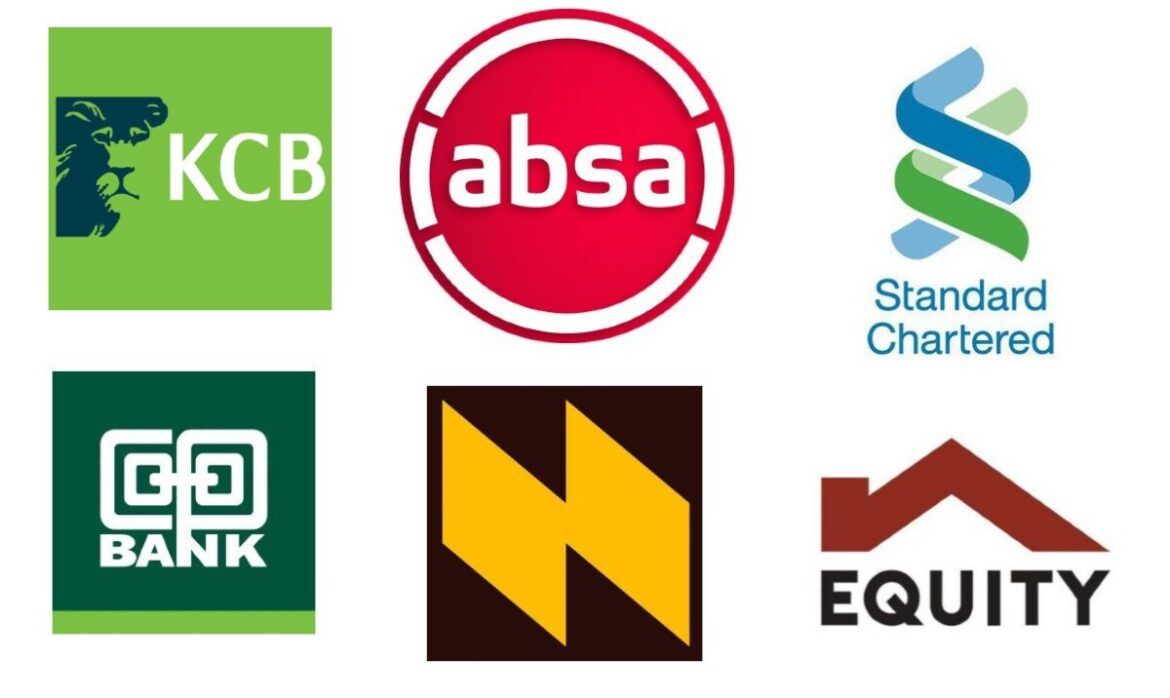
Equity Group, East Africa’s largest bank by assets, emerged as the quarter’s most closely watched bellwether.
It posted a pre-tax profit of KSh 18.9 billion, translating to roughly 145 million shillings, a performance that, while only moderately above 2024 figures, was underpinned by strong non-funded income growth and lower loan provisioning.
Crucially, the lender’s regional subsidiaries contributed 46 percent of group earnings and now hold 45 percent of total assets, reflecting a deliberate strategic tilt toward markets such as the Democratic Republic of Congo, Uganda and Rwanda.
Equity’s story is now more continental than Kenyan with analysts lauding its portfolio diversity and the resilience of its pan African strategy in softening domestic shocks.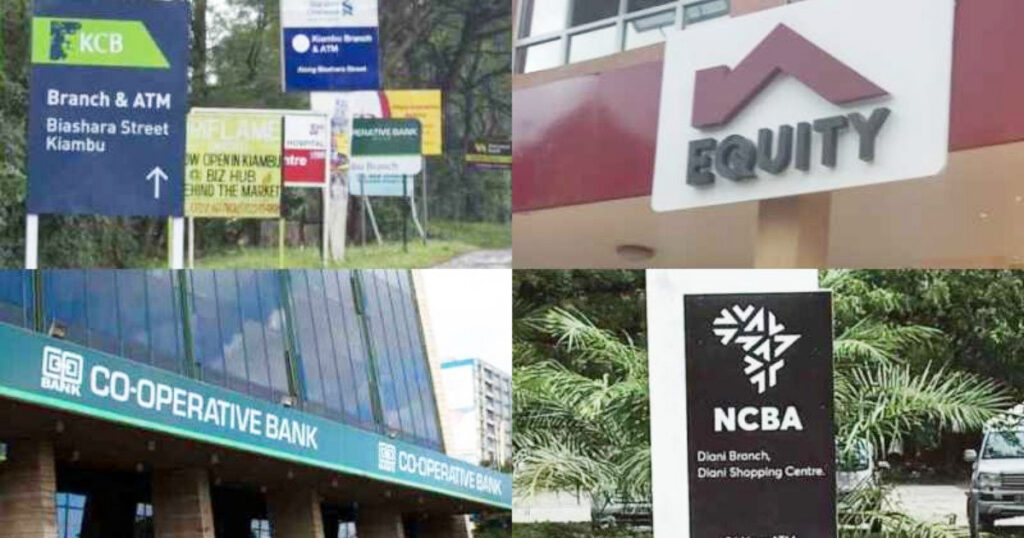
KCB Group meanwhile recorded a more modest KSh 9.4 billion profit before tax, citing higher loan loss provisions and interest expense. While its topline remained stable, the cost of funds and pressure on asset quality, particularly in its Kenyan book and recently acquired subsidiaries, prompted a more cautious investor outlook.
However, the group maintained a healthy liquidity ratio and capital adequacy well above Basel III thresholds, keeping the bank in a strong regulatory position even as margins tighten.
NCBA’s quarter one report told a story of deliberate growth moderation. The lender, known for its digital lending dominance and consumer centric banking innovations, posted KSh 5.3 billion in profit before tax.
Its mobile loan platform M Shwari and payments segment continued to fuel transaction volumes even as the group actively recalibrated its credit appetite. Asset quality dipped slightly in line with sector wide trends but NCBA’s diversification into wealth management and bancassurance cushioned its revenue base.
Stanbic Bank Kenya offered a different angle. Its profit before tax dropped 16.6 percent to KSh 3.8 billion, largely attributed to a dip in fee income.
Yet, the bank retained strong liquidity buffers and kept its cost to income ratio under control. Analysts believe Stanbic is well positioned to bounce back especially given its regional trade financing strength and deep ties with corporate clients navigating cross border opportunities under the African Continental Free Trade Area framework.
Absa Bank Kenya on the other hand sustained steady growth with KSh 5.6 billion in pre tax earnings.
Management credited digital onboarding and SME financing as key growth drivers. The bank’s balance sheet remained conservative but adaptive, leveraging artificial intelligence powered risk engines to manage delinquencies while remaining responsive to real time market shifts in the consumer and retail banking segments.
Family Bank stood out for its performance surge. With profit crossing the billion shilling mark for the first time in its history, the tier two lender became the talk of the industry.
Its quarter one results were not just impressive for their size but symbolic of the bank’s scaling ambitions and preparation for a 2026 Nairobi Securities Exchange listing.
Cost containment, interest income growth and customer base expansion all contributed to the milestone.
Looking across the border, Uganda’s banking sector saw cautious optimism with Stanbic Uganda and DFCU posting improved asset growth and stable net interest margins, albeit with moderate profit growth.
Rwanda’s banks also remained stable, benefiting from continued infrastructure lending and agricultural financing programs. In Tanzania, CRDB’s earnings report is due soon but early indicators suggest another quarter of robust growth supported by fintech investments and Islamic banking expansions.
Collectively, East Africa’s banking results for quarter one 2025 reveal an industry navigating complexity with agility.
Despite pressures from non performing loans and tight operating margins, most lenders displayed strong liquidity, growing transaction volumes and forward looking diversification.
The quarter underscored not just recovery but evolution in a banking sector that now plays a central role in Africa’s private sector transformation.