
Ghana is no longer just a name in West African history, it’s becoming a signature on global runways, music charts, art galleries, and streaming platforms.
Across continents, the vibrancy of Ghanaian creativity is carving out a new narrative that blends cultural heritage with modern expression, and in doing so, it’s shaping a powerful economic frontier.
This creative awakening is not accidental. In Accra’s fast-evolving art districts and music studios, a generation of young Ghanaians is turning passion into enterprise.
Fashion designers are exporting kente-inspired streetwear to Europe and Asia. Musicians like Black Sherif and Amaarae are topping global playlists while staying true to local rhythms. Filmmakers are crafting stories that speak in African voices yet echo with universal appeal.
 Government and private sector players are beginning to grasp the magnitude of what lies ahead. Ghana’s Year of Return in 2019 brought more than one million diaspora visitors and injected over $1.9 billion into the economy.
But beyond the tourism boost, it triggered a cultural investment wave that continues to ripple through creative industries, from fine art to digital content production.
Creative entrepreneurship has become a critical piece of Ghana’s youth employment strategy. With over 57% of its population under 25, the country sees the creative economy as not just a cultural asset but a jobs engine.
Initiatives like the Creative Arts Agency and partnerships with UNESCO and the British Council are helping build frameworks to professionalize the sector, offering training, funding access, and international platforms for exposure.
At the heart of this movement is a hunger to own the narrative. Ghana’s artists, curators, designers, and content creators are producing work that challenges outdated stereotypes and asserts the country’s place in global conversations.
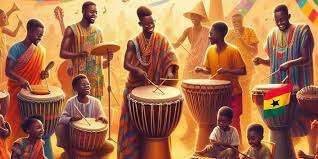 From the Venice Biennale to Netflix originals, Ghanaians are no longer waiting for permission to be seen.
Yet, the ecosystem is still growing through its challenges. Infrastructure gaps, limited funding for early-stage creatives, and regulatory ambiguity continue to hold back potential.
But the progress is tangible, co-working studios are sprouting across Accra, fashion hubs in Kumasi are drawing international buyers and digital platforms are turning creativity into commerce with unprecedented speed.
Ghana’s creative economy is not merely about art for art’s sake. It is about soft power, national branding, and inclusive development.
As Africa’s economic future increasingly hinges on diversification, creativity is emerging as one of Ghana’s most exportable and sustainable assets.
What began as an artistic renaissance is fast becoming a national economic strategy. And in this shift, Ghana is doing more than selling culture, it is asserting identity, building pride, and designing the future on its own terms.